DDGS: Nutrient-Rich Feed
Distillers Dried Grains with Solubles — a premium byproduct of ethanol production, delivering exceptional energy and protein for global livestock.
What is DDGS?
Distillers Dried Grains with Solubles (DDGS) is a nutrient-rich byproduct of ethanol production. It is produced by drying the leftover fermented grains and syrup, resulting in a high-protein (28–50%) and high-energy ingredient. It is primarily used as a high-quality animal feed for cattle, swine, and poultry.
The Production Reality
How is DDGS actually made? It is an intricate process within a distillery where every grain is maximized for value. The "reality" is that DDGS captures everything except the starch, which is converted to alcohol.
Milling & Mashing
Whole grains (Maize, Rice, or Wheat) are ground and mixed with water to create a mash.
Fermentation
Yeast is added to ferment the grain sugars into ethanol and CO2. This process concentrates the protein and minerals.
Distillation
The alcohol is separated through distillation, leaving behind 'stillage'—the protein-rich residue.
Separation & Drying
The stillage is centrifuged to separate solids from liquids. These are then combined and dried into the golden-yellow DDGS we trade.
Key Uses of DDGS
Dairy & Beef Cattle
Used at 10–20% of total dry matter intake to provide essential protein and energy.
Poultry Feed
Highly valued in poultry diets for its high protein purity and amino acid profile, promoting better growth and egg production.
Swine
Boosts protein in diets; usually capped at 5–15% to balance amino acids and acid profiles.
Aquaculture Feed
Acts as an effective fish meal substitute with inclusion rates of 10–20% for farmed species.
Industrial Applications
Used in biodiesel production, organic fertilizers, and lab-grade nutritional supplements.
Technical Specifications
Rice DDGS (Premium Grades)
| Parameter | 45% Protein | 50% Protein |
|---|---|---|
| Protein | 45% | 50% |
| Moisture | 8–12% | 8–12% |
| Fibre | 3–5% | 3–5% |
| Fat | 1–2% | 1–2% |
| Sand Silica | Max 1% | Max 1% |
| Energy | 3,000 kcal/kg | 3,000 kcal/kg |
Corn DDGS (Energy Grades)
| Parameter | Standard | High Protein |
|---|---|---|
| Protein | 25–28% | 32–35% |
| Moisture | Below 12% | Below 12% |
| Fibre | 4–7% | 4–7% |
| Fat | 8–12% | 5–8% |
| Phosphorus | Below 1% | Below 1% |
| Energy | 3,500 kcal/kg | 3,500 kcal/kg |
Core Advantages
Cost-Effective
Often more economical than other protein sources like soybean or groundnut cake.
Sustainability
Sustainability-positive for agriculture, significantly reducing waste in ethanol production.
Shelf Life
High stability allows for extended storage periods without degradation.
Nutrient Density
Rich in essential fats and fibers (4-12% fat) improving overall livestock health.
Global Market & Supply
We maintain a robust supply chain delivering high-protein DDGS to major global markets. Our logistics network ensures consistent quality from Indian ethanol distilleries to your doorstep.
Key Export Regions
Logistics Excellence
- Strategic Port Access (Mundra, Kandla)
- Complete Export Documentation
- 25 MT FCL Minimum Order
- Phytosanitary & Fumigation Included
Product Gallery
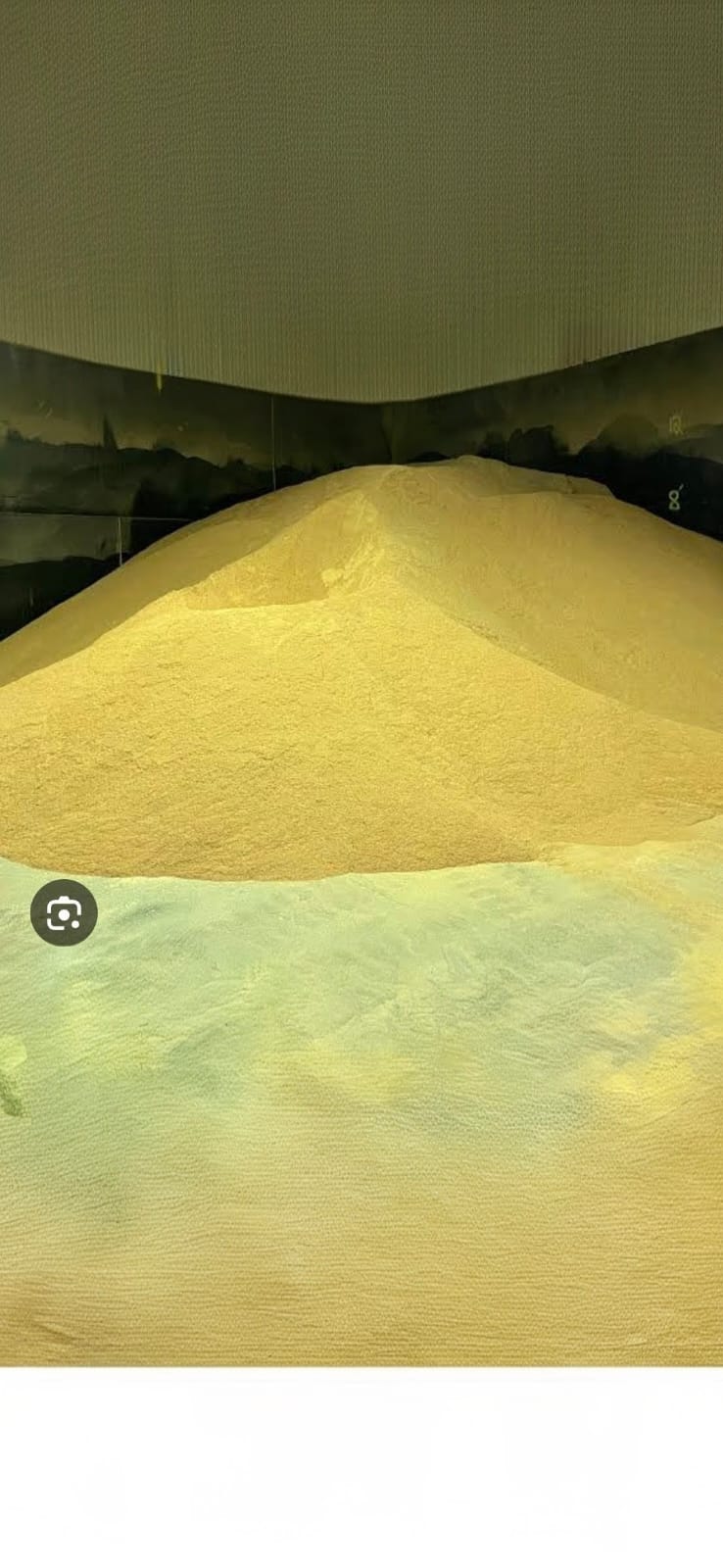
Premium DDGS Sample
Nutritional Feed Grains